Showing posts with label adventures. Show all posts

Sunday, May 10, 2015

A green park in metropolis, La Mesa Ecopark


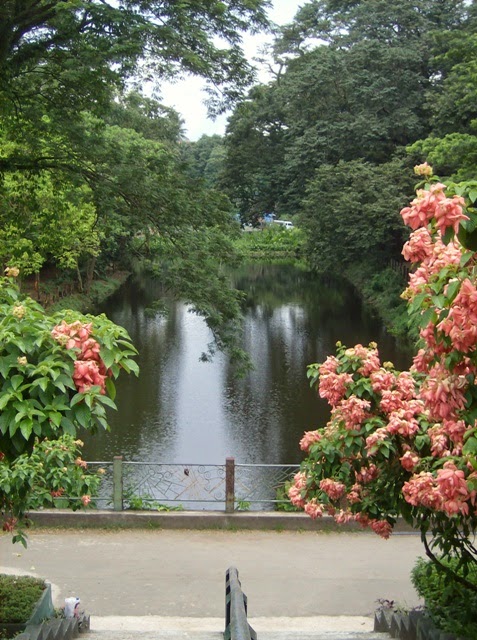
Located at the heart of a bustling city is the La Mesa Ecopark, an ecological nature reserve site in Quezon City, Metro Manila. La Mesa Ecopark is quite a pleasure to experience, to find a rare green park at the heart of a metropolis. 

Lagoon @ La Mesa Ecoparklandscape of La Mesa Ecopark

lagoon @ La Mesa Ecopark@ La Mesa Ecoparklagoon @ La Mesa Ecopark


While La Mesa Ecopark for the most part promotes environmental awareness to the public, it also provides beneficial outdoor escapade, a place for in-city hike and a mini forest experience. 


@ La Mesa Ecopark@ La Mesa Ecopark

Nowadays, this green park in metropolitan area becomes a known subject for photographers, educational field trip and a relaxing place for family outings, picnics and a quiet stroll while getting close to nature.

@ La Mesa Ecopark@ La Mesa Ecopark
@ La Mesa Ecoparkwallclimb @ La Mesa Ecopark
 

A small fee is obligatory upon visiting the place to maintain and keep La Mesa Ecopark safe. The park offers a venue for camping, boating, a pool to beat the heat of the sun and a short zipline among others. 


boating @ La Mesa Ecoparkboating @ La Mesa Ecopark

La Mesa Ecopark, Quezon City, Metro Manila  (location map from the web)
La Mesa Ecopark, Quezon City, Metro Manila (location map from the web)
 Getting there is quite easy and accessible. Visitors can take their own vehicle or take the public transportation of the metropolis.

Friday, May 1, 2015

Camiguin, the captivating island “born of fire”


Map of Camiguin (photo from the web)

Part of  Northern Mindanao region (region X), Camiguin is the second smallest province in the country with five municipalities. The municipality of Mambajao is the largest and the provincial capital of Camiguin. The captivating island of Camiguin is of volcanic origin wherein seven active volcanoes can be found in this tiny island, earning the lovely name of island “born of fire.
Sunken Cemetery@ viewing deck in Sunken Cemetery
 
@ Old Catarman Church RuinsCamiguin Island


The island’s natural and charming attractions draw a growing number of visitors like the Old Catarman Church Ruins where century-old tree and a set of columns and walls covered in plants and moss give a nostalgic feeling of what remains of the old church. The ruins is also overlooking the iconic Sunken Cemetery marked with a huge cross to memorialize the subsided cemetery of the old town of Catarman during the eruption of Mt. Vulcan in the late 1800s. 

@ White Island@ White Island
 
@ Mantigue Island@ Mantigue Island
  
This pearl-shaped island has islets namely White Island, a sandbar and Mantigue Island, a smaller island off the shores of Camiguin, which are both great for water activities like swimming, snorkeling, and diving. More so, Katibawasan Falls offers misty cascades down to the pool with cool, refreshing waters amid trees, ferns, and boulders. An invigorating dip on the pool is popular especially on warmer days. 

@ Santo Nino Cold Spring@ Ardent Hot Spring
 
@ Katibawasan Fallsboulders @ Katibawasan Falls

Just as revitalizing is a dip in the Santo NiƱo Cold Spring with ice cold spring water sprouting from the sandy bottom or in the Bura Natural Soda Water Swimming Pool, where volcanic springs of Bura fill two pools with fresh, clear soda water. To soothe aching muscles, the Ardent Hot Spring in contrast offers mineral pool heated by Mt. Hibok-Hibok, one of the seven and an active volcano of Camiguin
 
@Enigmata Treehouse Ecolodge"'duyan" @Enigmata Treehouse Ecolodge
 
@Enigmata Treehouse Ecolodge ground@Enigmata Treehouse Ecolodge ground


Another point of interest in Camiguin is the Enigmata Treehouse Ecolodge, also an Art Camp that offers unique experience to its visitors. According to its website, Enigmata literally means “to open your eyes” and “enter the journey inwards the creative circles of the mind".

@ Hibok-Hibok Volcano Observatoryview from the observatory

Visiting the island “born of fire” Camiguin is easy with the direct scheduled flights coming from Cebu or Manila to Camiguin Airport. There are also scheduled ferries from the port of Balingoan, in Misamis Oriental to Camiguin.

Saturday, April 25, 2015

Navigating northwestern side of Negros Island


Map of Negros Occidental (photo from web)
Part of the Western Visayas region (region VI) is the northwestern half of Negros Island, Negros Occidental. Bacolod City, the provincial capital of Negros Occidental, is dubbed as the “City of Smiles” for being a friendly city and celebrated its extraordinary MassKara Festival every October. The lifeblood of the province of Negros Occidental is the sugar industry that generates more than half of the country’s sugar output, thus earned the title as the “Sugar bowl of the Philippines”. The province is practically a sugarcane plantation with large sugar mills scattered throughout the long stretch of the northwestern side of Negros Island.

The Ruins, Talisay City, Negros Occidentaltwilight @ The Ruins, Talisay City, Negros Occidental
 The RuinsThe Ruins
garden of the Ruinsour group @ garden of the Ruins
 groupie!


The most remarkable landmark in Negros Oriental is The Ruins, a century-old remnant of a mansion built in the distant past that grandiosely withstand through time and colorful history. While the structure itself is regarded as one of the most arresting and fascinating unique blend of architectural style edifice being built despite of being burned down, one can marvel at the combination of fate, faith and fortitude story about the Ruins. It is said to be analogous to "Taj Mahal of the Philippines" as it was built by the sugar baron, Don Mariano Ledesma Lacson, for his first wife, Maria Braga. The mansion was reduced to its skeletal frame after being burned down during WWII. It is opened to the public where a portion has been converted into a cafe and said to be recorded among the most fascinating ruins of the world.

@ Malatan-og Fall, Negros OccidentalMalatan-og Fall, Negros Occidental
  Traversing the Negros Translink Ecotourism Highway from San Carlos City going to Bacolod City (vice versa) affords a different experience to travelers. Tourists and passersby can take a rest in the Viewing Deck or “Lantawan” (local dialect term) and enjoy the fascinating view of Malatan-og Falls, a cigarette-like falls from afar, the quietness of the place which offer deep serenity as you enjoy the fresh air and the beauty of nature, and the seas of Negros Island. Minutes from the Viewing Deck, travelers can also take a stop and enjoy the pleasant display of rice terraces along the road in Codcod, one of the rice-producing area in the place and a mini version of the magnificent rice terraces in Luzon.


Codcod rice terraces @ Negros OccidentalCodcod rice terraces @ Negros Occidental

Codcod rice terraces @ Negros OccidentalCodcod rice terraces @ Negros Occidental


Must-try foods in the province of Negros Occidental include delectable chicken “inasal” (roasted chicken) and a sweet indulgence for sweet-tooth “piaya” or “piyaya”, soft and flaky flat bread filled with concentrated syrup from dark muscovado sugar and sprinkled with sesame seeds.

chicken "inasal" (photo from the web)
"piaya" or "piyaya" (photo from the web)

The province of Negros Occidental has daily flights from Manila (approximately 1 hour) or Cebu (approximately 30 minutes) to Bacolod-Silay International Airport, located in nearby Silay City. Another route is by ferry via Toledo City or Tabuelan from Cebu to San Carlos City, Negros Occidental.

Sunday, April 19, 2015

Sacred sites and stunning sights in Sagada


Map of Mountain Province
Map of Mountain Province (photo from the web)

Taking at least 12 hours land travel (by bus) from the country’s capital Manila is the Mountain Province, a landlocked area located in the Cordillera Administrative Region in Luzon. The province is famous for its mummy caves and hanging coffins which are commonly found in Sagada, a fifth class municipality and neighboring to the provincial capital Bontoc. Sagada is an idyllic mountain town that composes a balance between peaceful remoteness and expediency.
Sunrise @ Mt. Kiltepan, Sagada, Mountain Province@ the bus going to Sagada
While this mountain town draws tourists that seek adventure and a chance to reflect and commune with nature, Sagada even showcases its legendary way of life. Activities that drawn people encompasses visiting historical sites, nature hikes and trekking, spelunking and participating tribal celebrations. Visitors are required to register (for safety reasons) in the tourist office and the convenience of having a tour guide for a small fee is a kind accommodation.
Echo Valley ( photo from the web)
Hanging coffins (photo from the web)
wooden coffins @ Lumiang Cave (photo from the web)
The Echo Valley is well-known place of interest and sacred site in Sagada where you can find hanging coffins, an impressive cultural heritage on how the locals preserved their dead ancestors. Other attractions in Echo Valley are the rock climbing and of course shouting your lungs out and hear it echo back. Another sacred and quirky burial site is the Lumiang Cave, where wooden coffins are stacked against the wall.  
Sumaguing Cave (photo from the web)
 rappelling @ Sumaguing Cave
Dubbed as the "Big Cave", Sumaguing Cave with its extraordinary limestone formations and large chambers is one of the best points of interest in Sagada where spelunking and rappelling is a matchless experience and a must-try.

@ Mt. Kiltepan, Sagadasunrise @ Mt. Kiltepan, Sagada
Finally, the sunrise at Mt. Kiltepan is another stunning sight in Sagada. It offers a breathtaking and magnificent view and a quiet solitude that soothes wary hearts and souls. And for my part, one of the best sunrises I have witnessed and revered like a walk in the clouds experience.